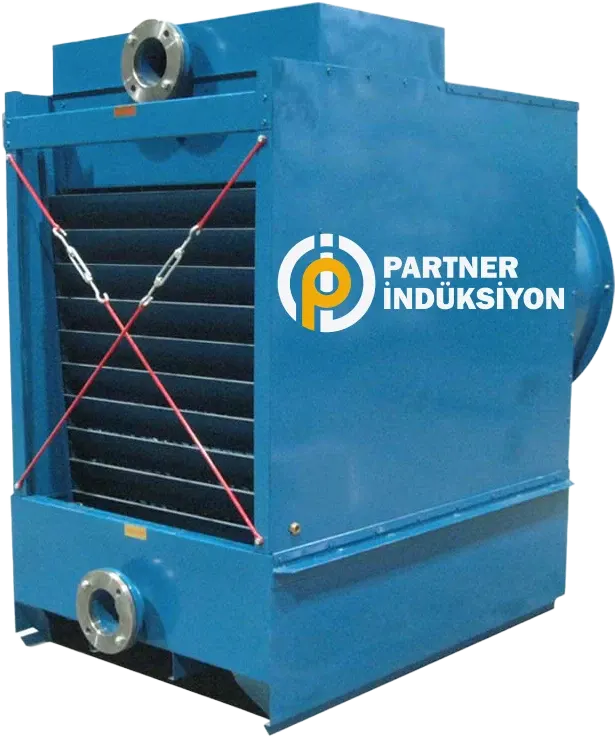
Auxiliary Equipment
Induction Cooling Systems
Explore cooling towers, chillers and plate heat exchangers for induction systems. Discuss cooling arrangements for your production line with our team.
Read more
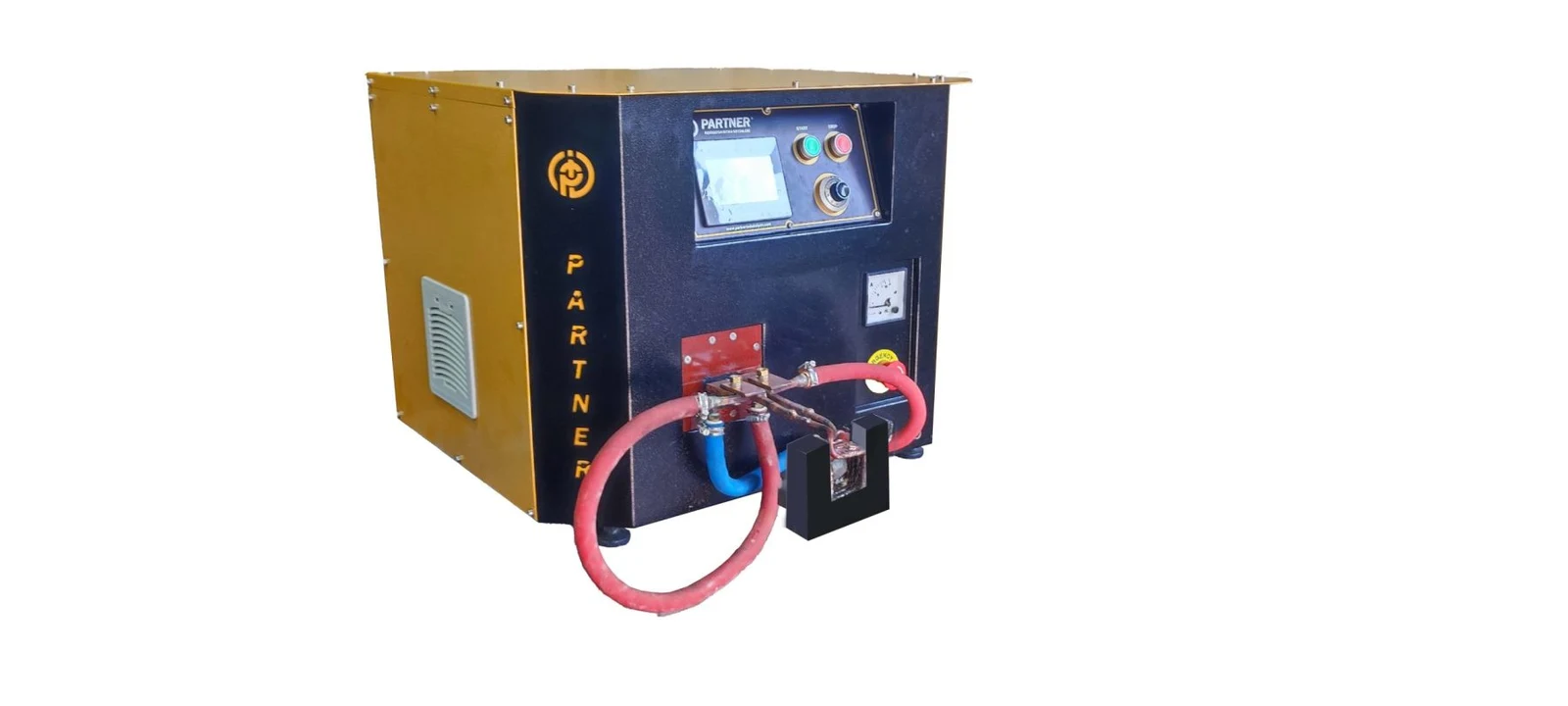
Explore induction end heating systems, their applications and coil options. Discuss the right heating arrangement for your production with Partner Induction.
Induction end heating systems provide a precise, efficient method of heating metal components. Alternating current in a coil creates a magnetic field, which induces eddy currents in the workpiece. Electrical resistance converts these currents into heat within the metal.
Induction end heating offers a flexible approach to controlled heating in modern production processes.
Explore cooling towers, chillers and plate heat exchangers for induction systems. Discuss cooling arrangements for your production line with our team.
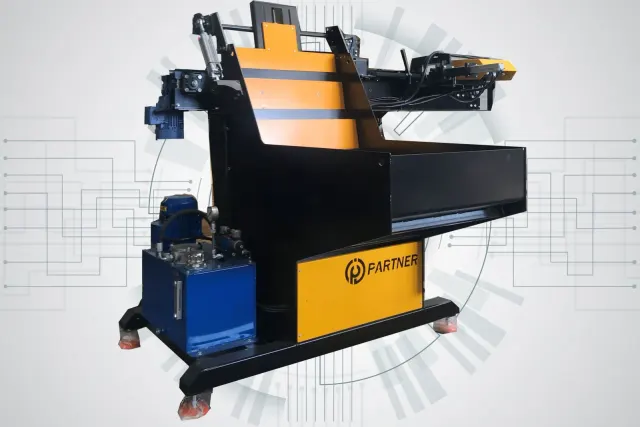
Read moreExplore loading conveyor systems and discuss a loading and handling arrangement suited to your production line with the team at Partner Induction.
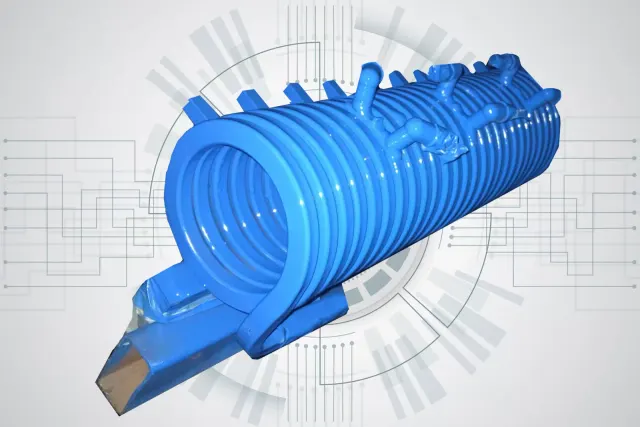
Read moreExplore custom induction coils and coil configurations. Work with Partner Induction to select a coil design suited to your workpiece and heating process.
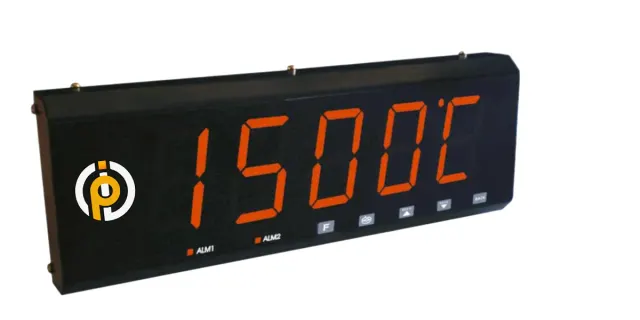
Read moreView the LED process temperature display, its inputs, outputs and dimensions. Discuss a suitable temperature display for your induction heating line.
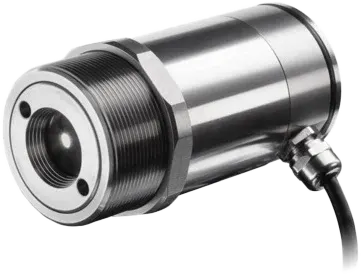
Read moreExplore the laser-sighted pyrometer, including its measurement range, dual-laser targeting, optical options and analogue output for temperature monitoring.
Read moreTell us about your application; our engineers will reply within 24 hours.
For buyers in Türkiye, imported systems can involve exchange-rate exposure, longer delivery times, expensive spare parts and dependence on overseas service. Local manufacture can offer faster service and coil production, on-site commissioning, operator training, payment in Turkish lira and competitive investment costs. More automotive suppliers and foundries are bringing induction hardening and melting in-house; energy savings and increased capacity can contribute to the return on investment. Compare the quality of power electronics, IGBT inverters, PLC controls, protection functions and reference installations when making a decision.
Induction furnaces convert approximately 60–85% of electrical energy into useful heat, reaching up to 90% in some systems, compared with typical figures of 35–55% for combustion-based furnaces. Compared with a cupola furnace, induction offers closer control of melt composition and temperature, lower gas and slag content, and improved working conditions without on-site combustion. The main trade-offs are higher initial investment and dependence on electricity prices. A comparison should consider total cost of ownership, including energy, refractories, maintenance and labour.
Industrial induction equipment is used throughout metal processing: melting in foundries; surface hardening of shafts, gears, crankshafts and camshafts; preheating for forging; brazing; annealing and tempering; stress relieving; shrink-fit assembly and disassembly; pipe bending; and pre- and post-weld heat treatment. Maintenance applications include releasing seized bolts. Major users include the automotive, foundry, aerospace, defence, energy, tooling and machinery industries.
Induction heating uses no open flame, flammable gas or combustion products, removing several hazards associated with conventional furnaces. The electromagnetic field is non-ionising and must be assessed against applicable exposure requirements, including standards such as IEEE C95.1 and C95.6. Personnel with active medical implants, such as pacemakers, should not work close to the coil; magnetic cards and sensitive electronics should remain outside the field. High temperatures and molten metal remain significant hazards, requiring appropriate heat-treatment protective equipment and operating procedures.
Contact-free heating and the absence of moving parts in the heating unit keep mechanical wear low. Modern solid-state inverter systems are designed for long service. Key maintenance tasks include monitoring cooling-water quality and flow, controlling scale and corrosion, checking coil insulation, inspecting and tightening electrical connections, and calibrating pyrometers or thermocouples. Protection against overcurrent, overvoltage, phase faults, water interruption and excessive temperature, together with alarm-history review, supports condition-based maintenance.